
The short answer
- Material compatibility comes first: choose a factory color or paint system intended for the siding already on the wall.
- Sun exposure matters: a darker repaint needs specific product guidance, especially on the south wall.
- Trim coordination helps: compare siding samples beside the roof, windows and corner boards in daylight.
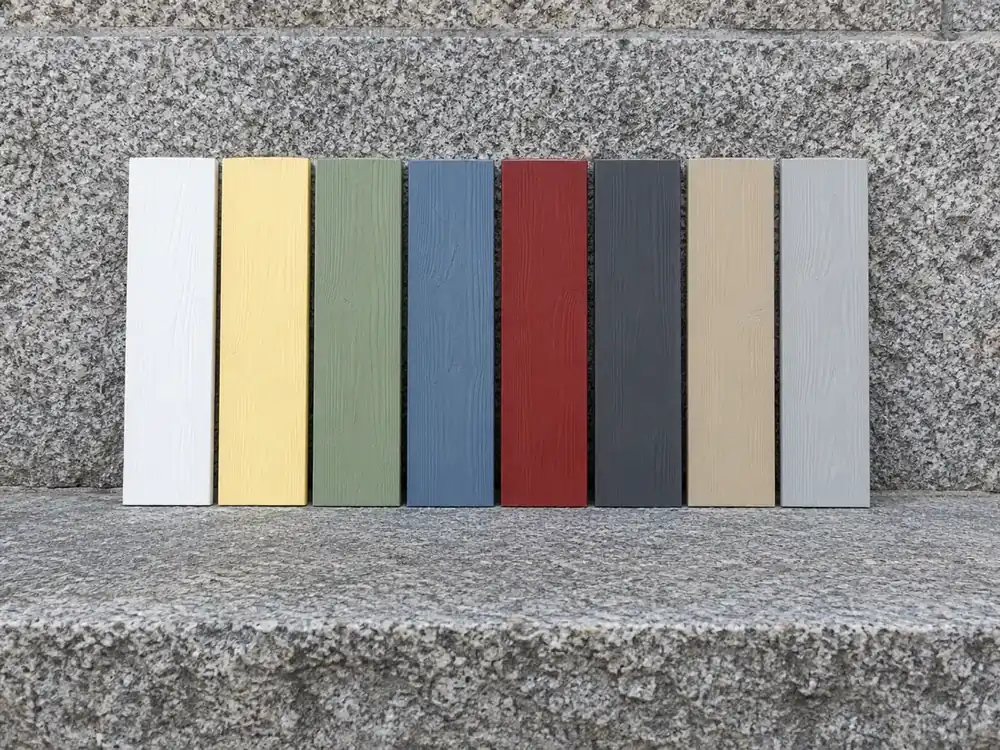
Color Choices Start With the Wall Material
The existing material and its condition determine whether a new color belongs in replacement panels or a paint finish. Call with the wall you want to change. Color samples, surface checks and any needed repairs can all be discussed as part of the same project.
North Wall Samples in Shade
Shaded samples help show whether a color looks too cool, dull or close to the trim. Compare a loose sample at ground level beside the existing wall, without attaching anything to old siding. Look again from across the street where there is a safe public viewpoint.
The best vinyl siding colors for your house are the ones you like beside its fixed roof, masonry and windows. A small chip and a broad wall can read differently. Mention green film, dark streaks or peeling paint during the call; the surface condition needs assessment alongside the color choice.
South Wall Color and Heat
For a dark factory shade on the sunny wall, the siding panels must be designed to handle that heat exposure. Ply Gem discusses heat absorption and thermal movement in darker siding. Compare different colors of vinyl siding within the selected panel range rather than assuming every shade works on every product.
Repainting also needs a product-specific decision. Sherwin-Williams' published painting instructions call attention to siding-manufacturer guidance and warn about using a darker color than the original. Your contractor should match the coating and color to the existing siding's instructions. Report waves, buckling or split edges on the sunny wall; paint won't straighten them.
Windward Wall Repairs and Finishes
Siding repair and painting should address damaged material before the finish is applied. Tell your technician where an edge is loose, where a board has split and whether you notice staining near a window or corner after rain. A coating cannot replace a missing panel or resolve water entering behind it.
Choose the material and finish together. James Hardie describes primed boards and factory-applied finishes; LP lists engineered wood lap siding in primed and prefinished versions.
| Material | Finish choices | Repaint need |
|---|---|---|
| Vinyl | Factory color; compatible paint where permitted | Factory color needs no routine repaint; added paint needs upkeep |
| Fiber cement | Factory finish or paint over primed boards | Maintain the selected coating as it wears |
| Engineered wood | Prefinished or primed for painting | Inspect and renew the coating under product instructions |
| Wood | Paint, stain or natural weathering where suitable | Maintain paint or stain; assess exposed wood separately |
Trim and Gable Color Connections
Trim connects the main wall color with windows, corners and roof edges. Compare Hardie board siding colors or another material's samples with the actual trim finish. A restrained accent on a door or gable may give enough contrast without changing every wall. Say which high sections need attention so access is included in the scope.
Association and Historic District Decisions
Exterior approvals can affect the material and finish selected. New Hampshire's condominium law gives associations exterior-appearance approval powers, subject to the condominium instruments. Mention an association during the call so applicable board conditions can be addressed before ordering.
Historic rules also need the right town and project. Exeter's historic-district FAQ exempts repainting as maintenance but requires prior approval for exterior changes that alter appearance. That distinction should not be extended to another town's district.
Older Surfaces Stay Undisturbed
Old paint and siding need assessment before disturbance. EPA identifies pre-1978 homes as more likely to contain lead paint, and lists siding shingles among possible asbestos materials. New Hampshire's asbestos rules also address cementitious siding. Leave suspect surfaces alone, prevent children and pets from approaching loose siding material, and call. Photos from the ground are enough to start the conversation.
One of our local siding partners will set out the panel repairs, finish work, access needs and price before the project begins.