
The short answer
- Hidden wall condition leads the decision: water behind siding or damaged sheathing needs more attention than a surface patch.
- Damage extent separates a few replaceable pieces on a sound wall from widespread warping, swelling or repeated failures across walls.
- Material condition and matching matter: an intact surrounding wall supports repair, while brittle, deteriorated siding can favor replacement.
Isolated Damage, Repeated Trouble and Hidden Moisture
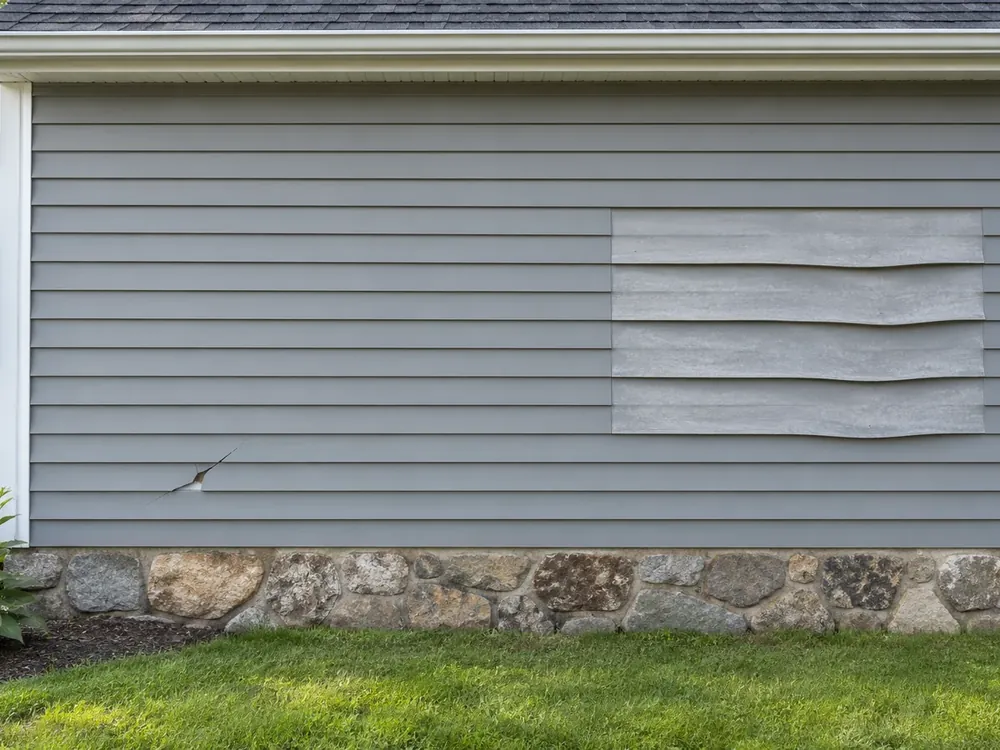
A few damaged pieces on a sound wall usually favor repair; widespread deterioration or water behind the siding can favor replacing a wall or more. The distinction depends on what your siding contractor finds in the surrounding materials. Siding repair and replacement both need a clear explanation of the cause, the affected area and the proposed finish.
A small repair starts with a sound wall
An isolated cracked panel or split board can be a repair when nearby siding, fastening and the backing remain sound. Matching the profile, thickness and color matters. A replacement piece may look different against older, faded material even when it fits correctly.
Describe whether the damage ends at one piece or continues across several courses. Your siding contractor checks the edges and surrounding wall before proposing a patch. The siding repair service page describes work focused on damaged sections.
The north wall and signs of water
Stains beneath windows, peeling at seams and recurring damp patches need a cause assessment on the shaded north side. A surface algae film doesn't prove the wall is rotten. Bubbling indoor paint or stains that align with an exterior opening are useful details to share on the call.
CertainTeed lists peeling interior finishes among possible signs of water infiltration. Water may also enter through a roof or window detail, so the visible siding alone doesn't identify the source. Your siding contractor checks flashing, drainage and accessible backing rather than assume new panels will solve the problem.
The south wall and material deterioration
Widespread warping, failing finishes and deteriorated boards can make replacement more sensible on the sunny south wall. Fading by itself is largely an appearance issue; fading combined with brittle or distorted panels changes the discussion. Tell your siding contractor whether the surface change is limited to that exposure.
Knowing when to replace Hardie board siding requires separating paint trouble from cracked boards, damaged edges or installation defects. A paint problem on sound fiber cement doesn't automatically call for removing the wall. Material far beyond its expected service life deserves a broader assessment, but age alone doesn't set the answer. Maintenance history and present condition matter more than a calendar cutoff.
The windward wall and repeated failures
Repeated loose panels, water at corners or swollen wood boards can indicate work extending beyond one damaged piece. Compare what you can see on the windward wall with the adjacent walls. If the same problem appears in several places, describe the pattern during the call.
For siding repair vs replacement, the key question is whether a limited repair will address the cause. Trapped water or damaged sheathing may require opening a larger area. Replacement planning can cover one wall or a wider exterior scope, depending on the findings.
Trim and gables can change the scope
Soft trim, stained corner boards and damaged roof-edge pieces need assessment alongside the main wall. From the ground, say whether peeling follows a window edge, a corner or the line beneath a gable. High access affects the work even when the damaged area looks small.
A larger heating bill is only a hint, because usage, weather, insulation and windows also affect it. Mention drafts or indoor stains without treating either as proof that siding needs replacement.
The assessment and the next step
Your siding contractor first checks the damage pattern, material condition, water entry details and the backing that can be assessed safely. Those findings determine when siding needs replacing and where repair remains reasonable. One of our local siding partners will describe the proposed boundaries, any further investigation and the price before the repair or replacement starts.
Keep old materials undisturbed and call. EPA explains that pre-1978 homes may contain lead paint, while MassDEP identifies asbestos in some older siding. EPA advises leaving suspect asbestos materials alone. You can share photos taken from the ground and identify the wall's direction during the call. Keep children and pets away from loose sections; leave handling and closer inspection to the people assessing the work.