
Salem, New Hampshire
Fiber Cement Siding in Salem, NH
Our local siding professionals fit fiber cement boards, panels, and shingles to Salem, NH, houses. Call to discuss a damp north wall, a painted south face, or gable details, and your siding contractor will explain the material choices and installation.
- Calls answered 24/7
- Fiber cement board
- Serving Salem and nearby
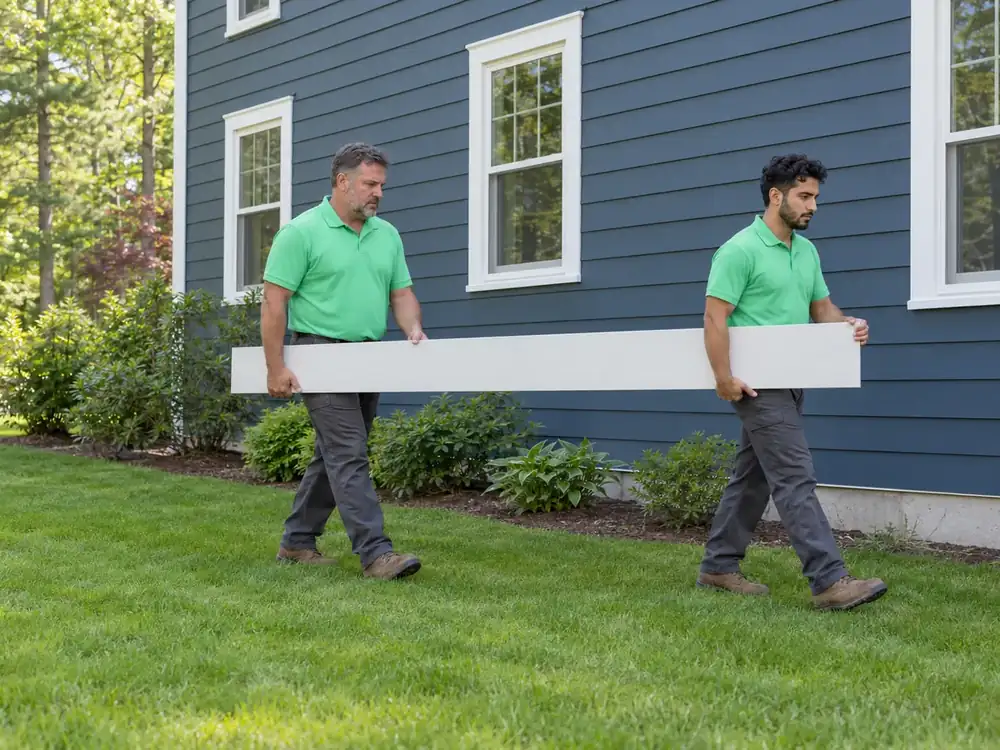
Painted lap boards that resist rot
Fiber Cement Boards, Finishes, and Wall Preparation
- Lap boards, panels, and shingles. Fiber cement siding installation covers horizontal lap courses, vertical panels with battens, and shingle looks for Salem homes and nearby towns. Describe whether the north wall needs new cladding or the gable needs a different pattern.
- Material for a damp wall. Fiber cement resists rot compared with traditional wood, but the wall still needs drainage and sound backing. Hardie board is a common name for James Hardie's fiber cement products; their boards are noncombustible, unlike wood or vinyl.
- Finish on the sunny face. Factory-primed boards need paint, while factory-finished products arrive with their color coating. Discuss south-wall fading and future recoating, because the painted surface still needs care.
- Seams on the windward side. Your siding contractor follows the selected product's nailing pattern and joint-flashing details, with trim and caulk at specified locations. Say where water marks appear; caulk isn't a substitute for flashing.
- Handling at the gables. Heavy boards call for planned access, staging, and two-person handling for long pieces. Cutting takes place outdoors with dust controls suited to the tool, so mention narrow side yards and nearby entrances during the call.
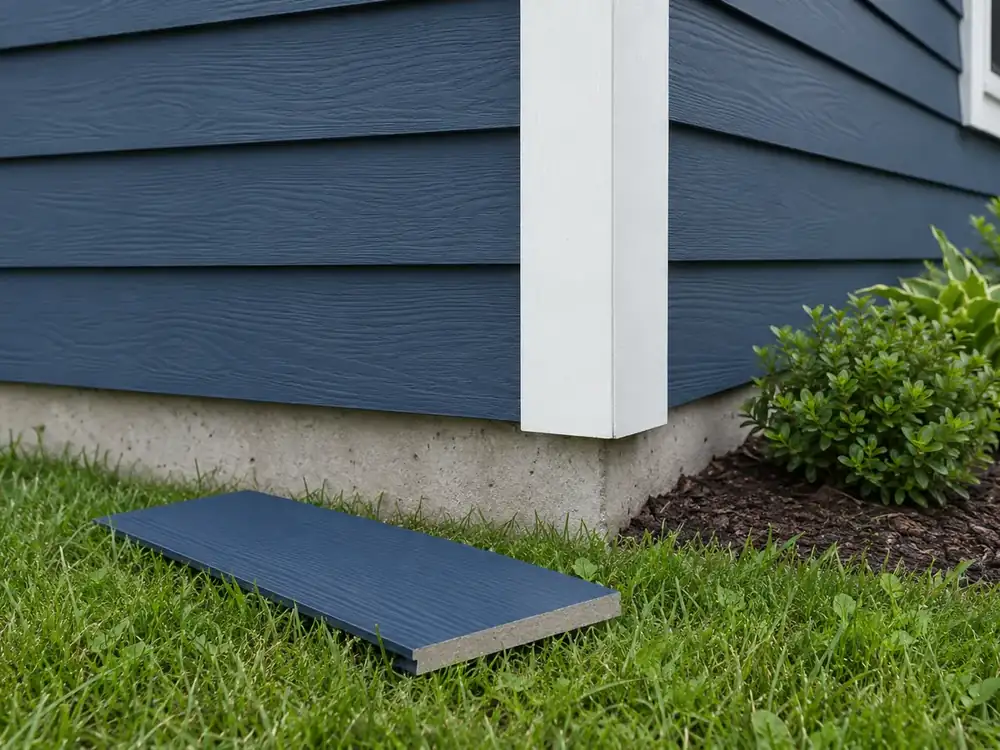
Fiber Cement From Shaded Boards to Gables
The four sides need different attention to paint, joints, clearances, and access when fiber cement is installed.
| Side of the house | What it usually shows | Worth asking your siding contractor |
|---|---|---|
| North side | Rot-resistant boards suit a damp exposure, but the paint finish and drainage details still need attention. | Describe dark marks near the base and ask how clearances and flashing will keep the backing wall dry. |
| South side | Sun can fade the paint while the board beneath remains sound; finish upkeep becomes the longer-term task. | Mention the faded face and discuss factory finishes, repainting needs, and how the color will meet adjacent trim. |
| Windward side | Heavy boards resist wind when correctly fastened; seams, flashing, and designated caulk joints still deserve a close look. | Point out water marks or open joints and ask which seams need flashing rather than a bead of caulk. |
| Trim and gable ends | Cut ends need treatment specified for the product, and trim joints need careful detailing; lifting heavy boards requires staging. | Describe high windows and tight side access so handling, staging, and edge treatment are included in the scope. |
What Shapes Fiber Cement Siding Cost in Salem, NH
The amount of wall being covered usually leads the cost discussion, with height and detailed fitting close behind.
- Wall dimensions and openings: Tall elevations, many windows, outside corners, and multiple gable ends increase cutting and handling.
- Hidden wall repairs: Deteriorated backing on the north side or faulty flashing at a windward opening adds preparation.
- Profile and finish: Lap boards, panels, shingles, factory color, and site painting require different materials and labor.
- Trim and working conditions: Soffit, fascia, corner boards, staging, side-yard access, and the season affect the remaining scope.
Before work starts, one of our local siding contractors goes through what the job includes and what you'll pay. Compare maintenance and installation considerations in vinyl or fiber cement.
From the First Call to Finished Boards
- Describe the change. Call about the wall you want to re-side, its current material, and any cracks, peeling paint, or open joints visible from the ground.
- Examine the wall assembly. Your siding contractor looks at the siding and checks the backing where needed, then discusses scope, finish choices, and price before work proceeds.
- Fit the boards and details. Hardie board siding installation follows that product's requirements; other selected products follow their own instructions for fastening, flashing, clearances, cut ends, and finishing.
- Check the finished elevations. A final walk around covers the north-wall base, sunny paint finish, windward seams, and gable trim, along with cleanup and the care the finish needs.
Avoid Fiber Cement Cutting Dust and Unsecured Boards
Leave fiber cement cutting to your siding contractor: cutting boards can release fine silica dust, a worker hazard addressed by OSHA's construction silica requirements. A homeowner with a saw shouldn't attempt the work. Keep children and pets away from cutting areas, dust, and loose boards. Don't dry-sweep cutting dust indoors; OSHA addresses sweeping that could increase worker exposure.
Paint on a pre-1978 house may contain lead; the EPA's renovation advice explains why disturbing old coatings needs care. Very old siding may contain asbestos, so leave suspect material alone. New Hampshire's asbestos management rules address asbestos-containing cement siding as well. Don't cut, sand, scrape, remove, or pressure-wash old siding yourself.
Call about cracked boards or failed trim joints. Ground-level photos and the wall's direction help describe the concern without climbing to the gable.
Other Services for the House Exterior
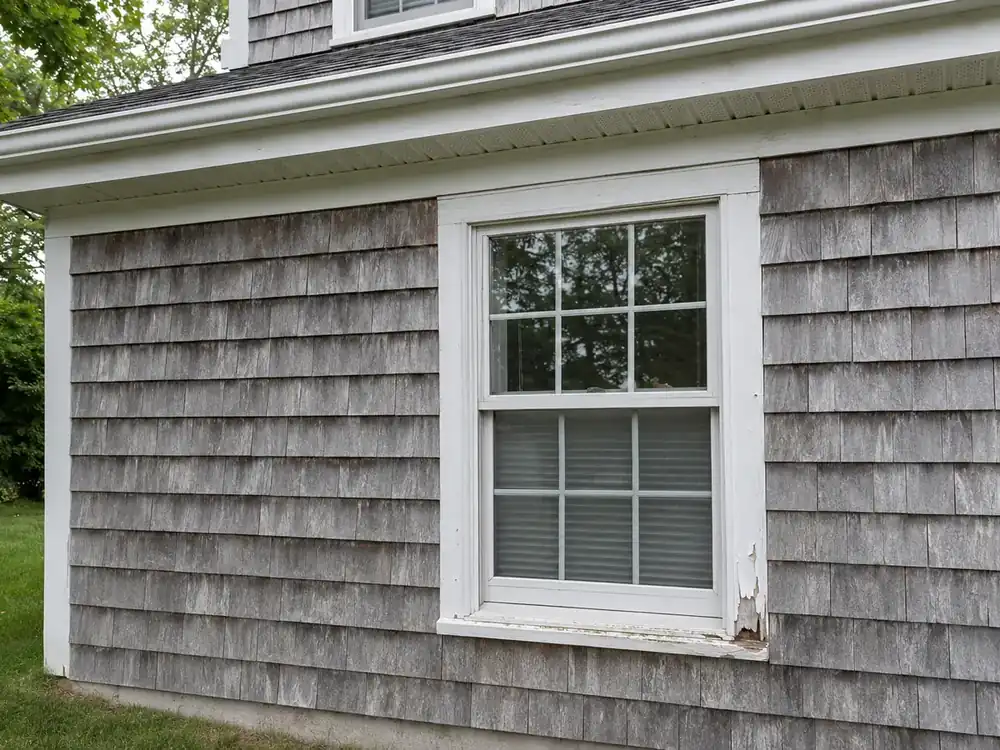
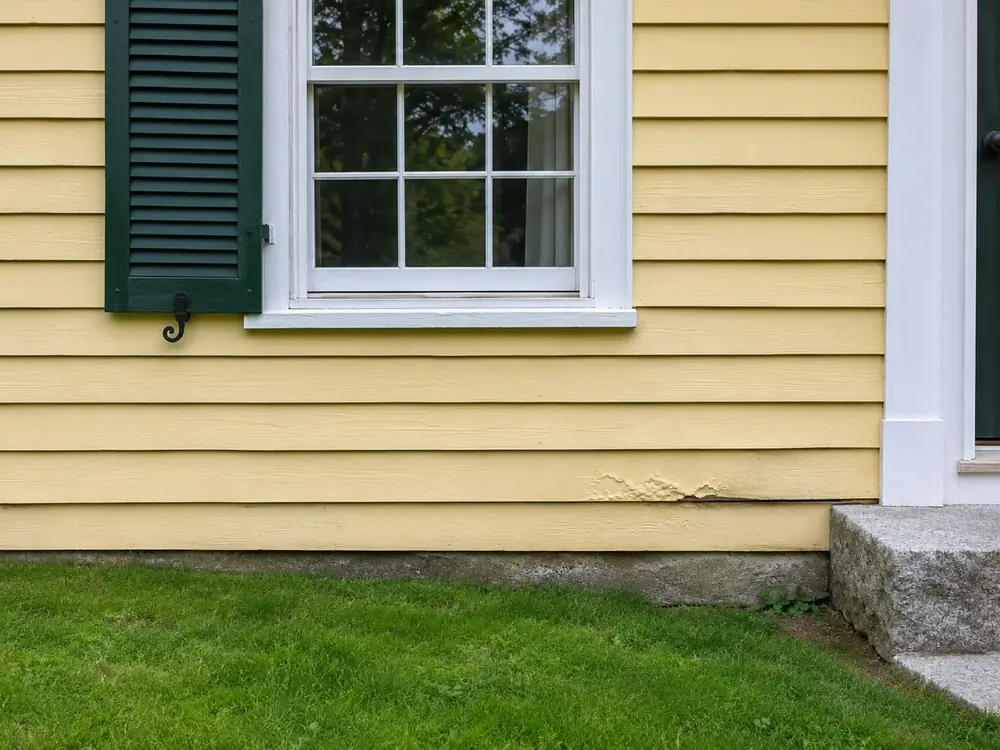
Fiber Cement Work Near Salem
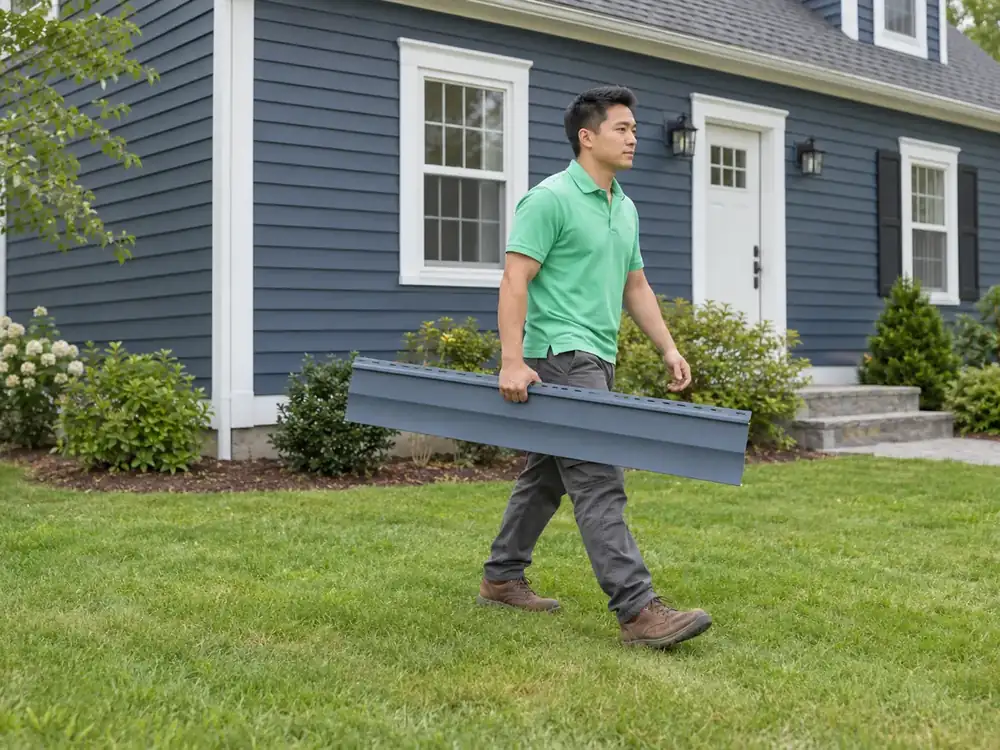
For houses in Salem, Londonderry, and Windham, fiber cement work includes lap boards, vertical panels, and gable shingles. Call to discuss the wall you're changing.
Fiber Cement Siding Questions
What is fiber cement siding made from?
Fiber cement combines cement, sand, water, and cellulose fibers to form exterior boards, panels, or shingles. The material can have a smooth face or a woodgrain texture. For a shaded north wall, discuss the wall's drainage and finish care along with the board itself; rot resistance doesn't replace sound wall detailing.
What is Hardie plank siding used for on an exterior?
Hardie plank is James Hardie's horizontal fiber cement lap siding, used to create overlapping courses across an exterior wall. It's one product within a wider material category. When discussing a windward elevation, ask how that selected product's joints, flashing, and fastening will be detailed rather than treating every fiber cement board alike.
What can fiber cement siding look like on a house?
Fiber cement can resemble painted clapboards, vertical board-and-batten siding, or shingles, depending on the profile. Smooth and woodgrain faces create different shadows even in the same color. Describe the window trim and gable pattern you want to retain so your siding contractor can discuss how the new boards meet those details.
Does Hardie board siding rot on a damp north wall?
Hardie board siding is designed to resist moisture damage and rot, but the wall behind it can still be damaged by water. A shaded elevation still needs proper clearances, flashing, and maintained finishes. Tell your siding contractor about staining, open joints, or soft trim so the inspection covers the surrounding assembly.
How fire resistant is fiber cement siding compared with wood?
Hardie's fiber cement boards are noncombustible, unlike wood siding, but that doesn't make the house fireproof. Paint and other coatings can still be damaged or charred by flames. Material choice also needs to account for the rest of the wall, including window trim, gable details, and the backing beneath the boards.
Call to discuss fiber cement for the damp north wall, the sunny painted face, or gable trim that needs careful fitting.
Call (603) 633-5699