
Salem, New Hampshire
Vinyl Siding Installation in Salem, NH
Our local siding professionals install vinyl siding in Salem, NH, with profiles and trim chosen for each wall. Call about fading, loose panels, or a change of style, and describe the side that needs attention.
- Calls answered 24/7
- Vinyl
- Serving Salem and nearby
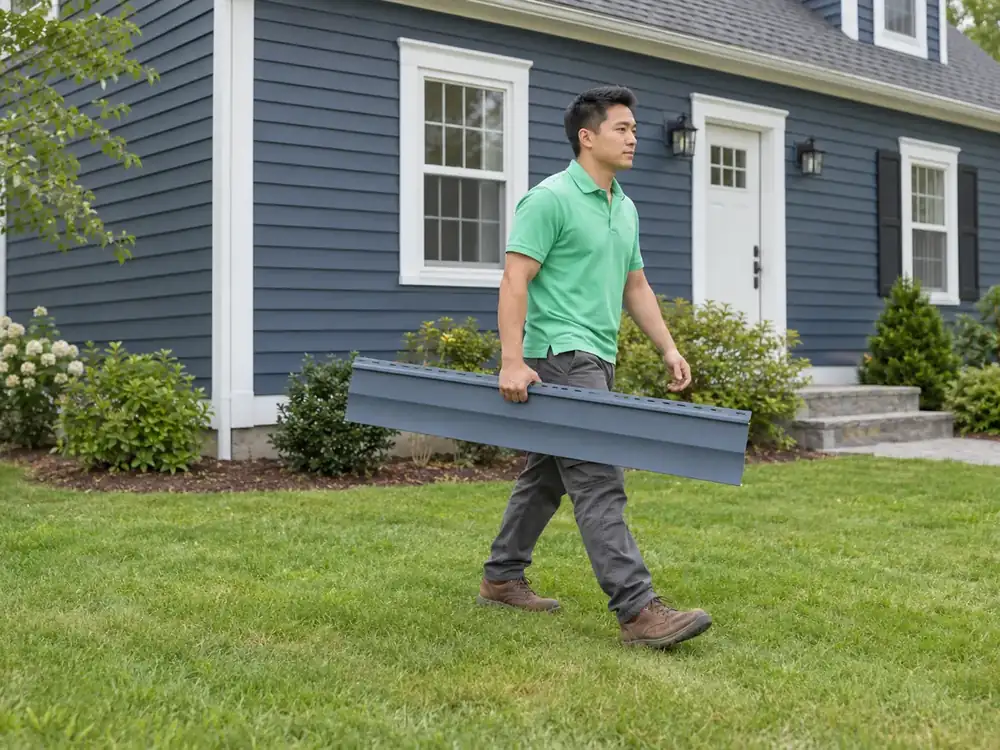
Lap and panel vinyl in many colors
What Vinyl Siding Installation Covers Near Salem
- Profiles for the main walls. Installation includes standard vinyl lap siding, board-and-batten looks, shake looks, and insulated profiles for Salem and nearby homes. Describe the north wall's existing pattern when comparing types of vinyl siding.
- Color on the south wall. Color, panel grade, and room for movement matter on a hot July wall as well as through a New England winter. Mention fading or waves during the call so the discussion covers both appearance and fit.
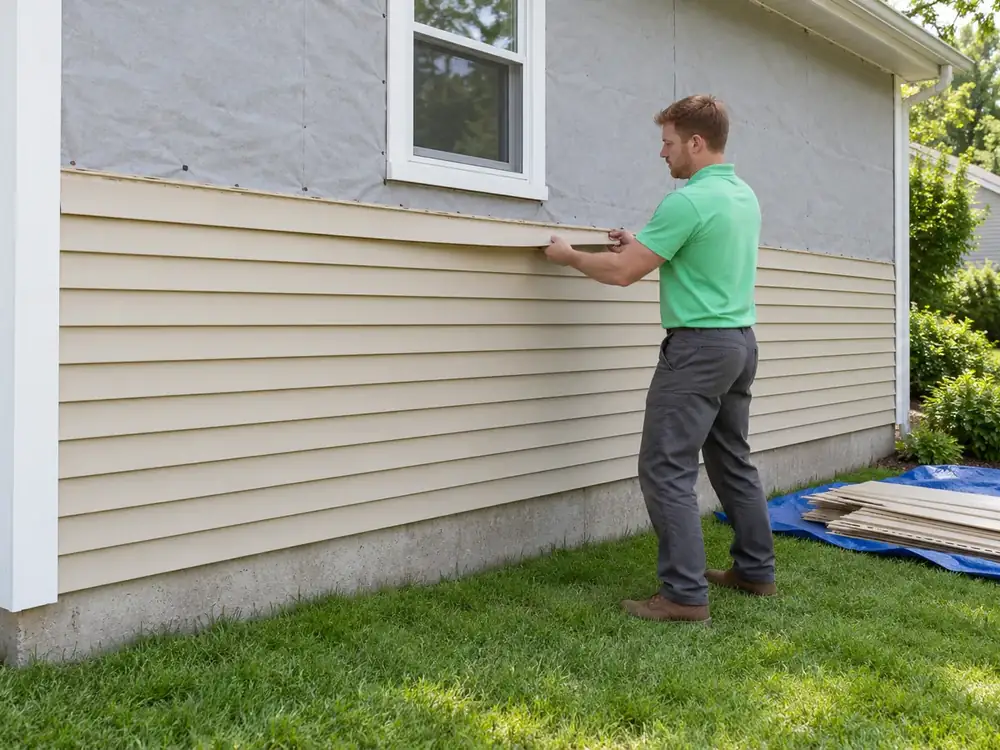
- Fastening on the windward wall. Your siding contractor sets the starter strip, engages each panel lock, and fastens through nailing slots without pinning panels tight. End clearances let the vinyl expand and shrink as temperatures change.
- Corners, windows, and eaves. Corner posts, J-channel, drip caps, flashing, matching trim, and soffit complete the edges rather than leaving the job at the panels. Say whether the concern is a window corner or a high gable.
- Where another material fits better. Original wood trim details or a wall exposed to concentrated reflected heat may favor another siding choice. Tell your siding contractor which details you want to keep.
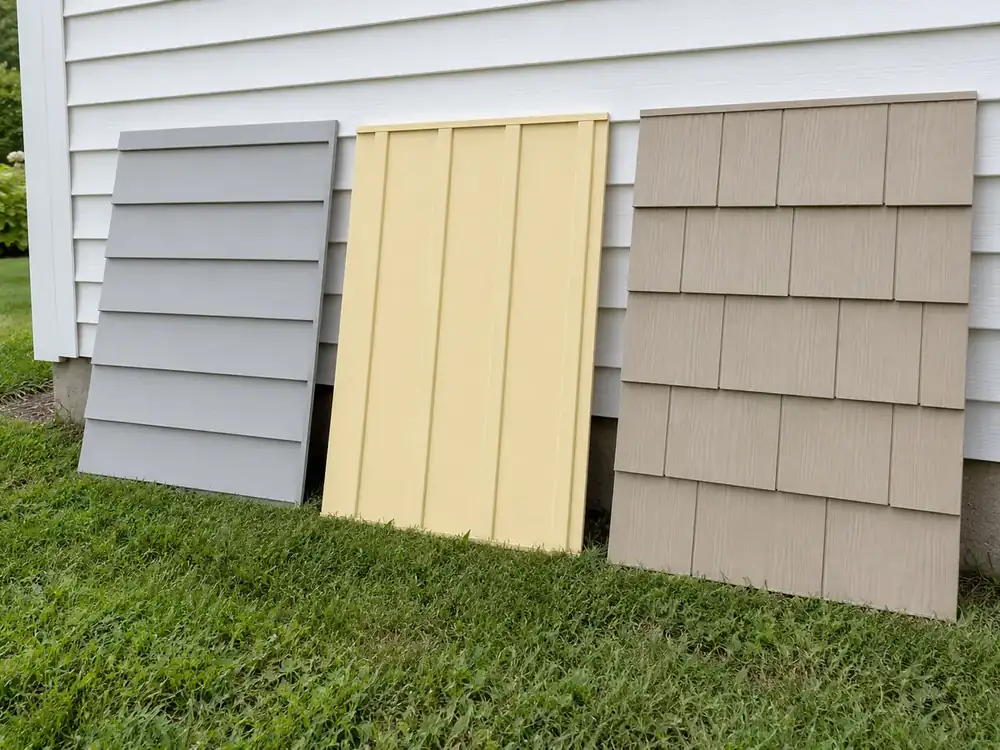
Vinyl Panel Fit, Wall by Wall
Vinyl installation addresses how the four sides differ in drying, heat exposure, fastening, and trim fit.
| Side of the house | What it usually shows | Worth asking your siding contractor |
|---|---|---|
| North side | Shade slows drying, and an algae film can collect on panels near the base of the wall. | Mention the shaded lower courses; ask how the starter strip and drainage openings will keep water moving out. |
| South side | Warping may show on dark, sunny panels; color suitability and panel grade deserve attention alongside room for movement. | Describe any waves across the sunny face and ask which profiles and colors suit that exposure. |
| Windward side | Rattling or lifted edges can point to poor fastening or locks that have come apart. | Say where panels move in wind; ask how the fasteners and locks will secure them without restricting expansion. |
| Trim and gable ends | Corner posts and window channels need careful fitting; older colonial trim shapes may require custom pieces. | Name the trim you want preserved and discuss how new channels will meet the window casings and gable edges. |
What Affects Vinyl Siding Installation Cost in Salem, NH
Wall area and height usually carry the most weight in the installation scope, followed by fitting and repairs.
- Size and shape: Broad walls need more panels; upper stories, windows, corners, and gable ends add labor.
- Conditions underneath: Soft sheathing behind the shaded north wall or damaged flashing on the windward wall changes preparation.
- Panel selection: Standard or insulated profiles, shake accents, color, and panel grade affect material needs.
- Finishing and access: Trim, soffit, fascia, staging space beside the house, and the working season influence the job.
One of our local siding contractors explains the planned work and its price with you before installation begins. Read about vinyl siding price factors for more detail on panel and labor choices.
How New Vinyl Panels Reach the Wall
- Call about the wall. Describe the siding you have and where panels fade, crack, or lift. A photo taken from the ground can help explain a high corner.
- Set the scope. Your siding contractor examines each wall and checks behind existing panels where needed, then explains the work and price before starting.
- Install the siding and edges. Work covers necessary wall preparation, drainage details, starter strips, panel locks, fastening clearances, corners, and window trim.
- Walk around the house. Your siding contractor checks panel alignment and finished edges with you, explains upkeep, and checks that loose pieces and debris have been collected.
Safe Observations Around Loose Vinyl Panels
Keep away from hanging panels and call about the affected wall. Direct children and pets away from any detached vinyl pieces. Vinyl becomes brittle in cold conditions and can sag under strong heat; don't pull a loose panel or rest a ladder against it. The CPSC's outdoor repair advice addresses ladder falls and electrical contact; leave high siding inspection to your siding contractor.
Old paint beneath the siding may contain lead in a house built before 1978, as the EPA explains. Older siding may also contain asbestos; follow the EPA's advice to leave suspect materials undisturbed. Don't cut, sand, scrape, or pressure-wash old surfaces. New Hampshire's asbestos rules include specific requirements for asbestos-containing cement siding.
From the ground, you can photograph the wall and describe its location during the call.
Related Work on Panels and Trim
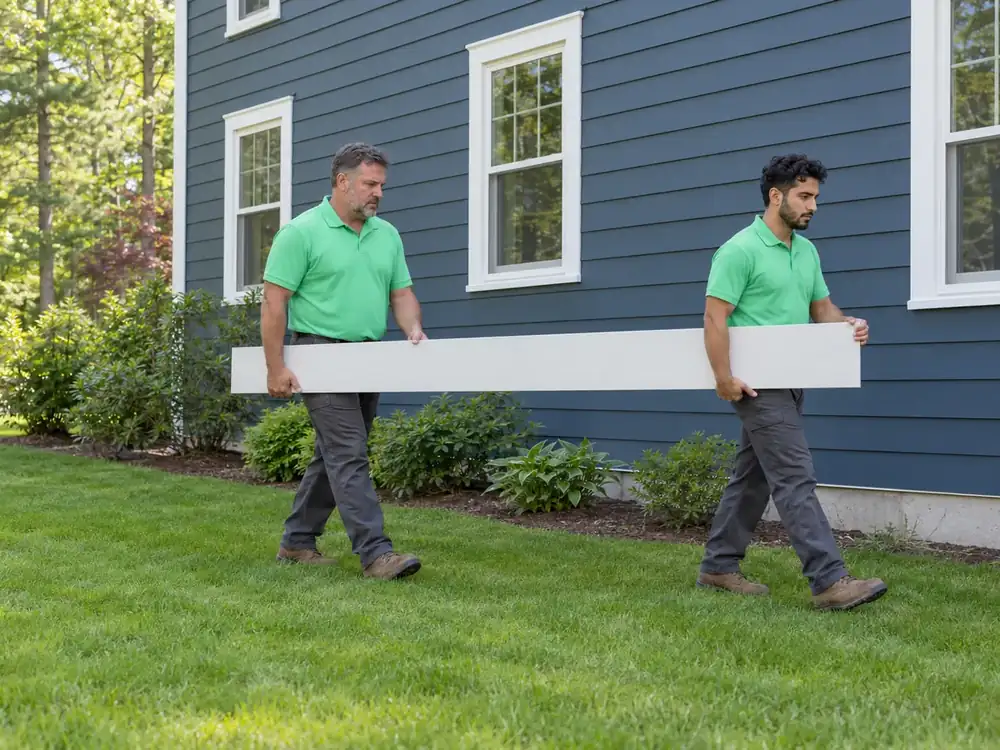
Vinyl Installation Around Salem
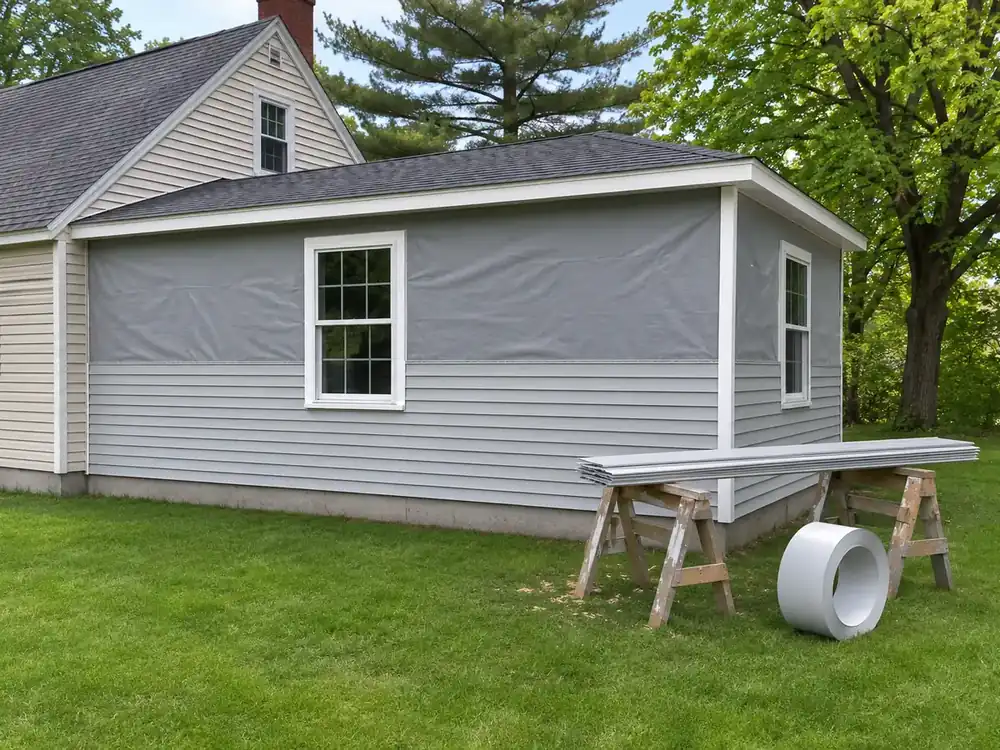
Siding contractors handle vinyl installation in Salem, Windham, and Pelham. Call about the shaded wall, the sunny face, or the trim around your windows.
Vinyl Siding Installation Questions
What materials make up a vinyl siding panel?
Vinyl panels are made primarily from polyvinyl chloride, a plastic commonly shortened to PVC. Profiles give the wall a horizontal lap, vertical board-and-batten, or shake appearance. On the sunny south face, describe the color and any visible distortion so your siding contractor can discuss the panel choice alongside its fit.
How does vinyl siding move between hot and cold weather?
Warmer temperatures lengthen vinyl siding panels, while cooler temperatures make them shrink. Fasteners and end gaps must allow that movement rather than hold the panel rigidly. If the south wall looks wavy or the windward wall rattles, mention the location during your call; your siding contractor checks both fastening and panel engagement.
Can a vinyl siding company replace only the cracked panels?
A few cracked panels can often be replaced when the surrounding siding and wall underneath remain sound. The replacement needs a compatible profile and lock, and its color may differ from weathered panels. Describe whether the break is limited to one lower course or extends around a windward corner.
Which layers belong behind vinyl siding?
Vinyl needs a suitable wall surface, a continuous water-resistive barrier, and flashing that directs incidental water outward. The siding itself isn't the entire water-control system. At a shaded north wall or a windward window, your siding contractor examines the layers where damage suggests water has reached behind the panels.
Will vinyl siding lose color on the sunny wall?
Vinyl can fade over time, and the sunny wall may show a different color from a sheltered wall. Fading alone doesn't tell you whether the siding needs replacement. Mention chalky color, cracks, or waves separately during the call so your siding contractor can distinguish appearance concerns from damaged panels or poor fit.
Call about vinyl installation and describe the faded south wall, loose windward panels, or trim details you want to keep.
Call (603) 633-5699